
By Michael Sargent, Principal Broker and Owner, Sargent Family Properties LLC

Start with issues that could make a buyer hesitate or make the sale harder to close. Then tackle a few inexpensive improvements that will help the home show well. Before committing to a major renovation, compare what it costs with what buyers are likely to pay for the difference.
I’ve spent 40 years in construction and have worked in real estate since 2012. When I walk through a home with a seller, we sort the work into three groups: what to investigate or repair first, what to tidy up, and what to leave for the next owner.
1. Investigate problems that could affect the sale
Start with active leaks, recurring basement moisture, unreliable heat, and known problems with the well or septic system. If you see staining that keeps coming back, find the source before repainting. For issues you can’t readily identify, get a qualified professional’s assessment and a written estimate. Keep reports, invoices, and records of work you’ve already done.
An older roof is a good example. If it’s functioning well, gather any records you have and compare your home with similar properties that sold with older roofs. If it’s actively leaking, get it assessed and compare the cost and timing of fixing it before listing with selling at a price that reflects the condition.
2. Spend a little where buyers will notice
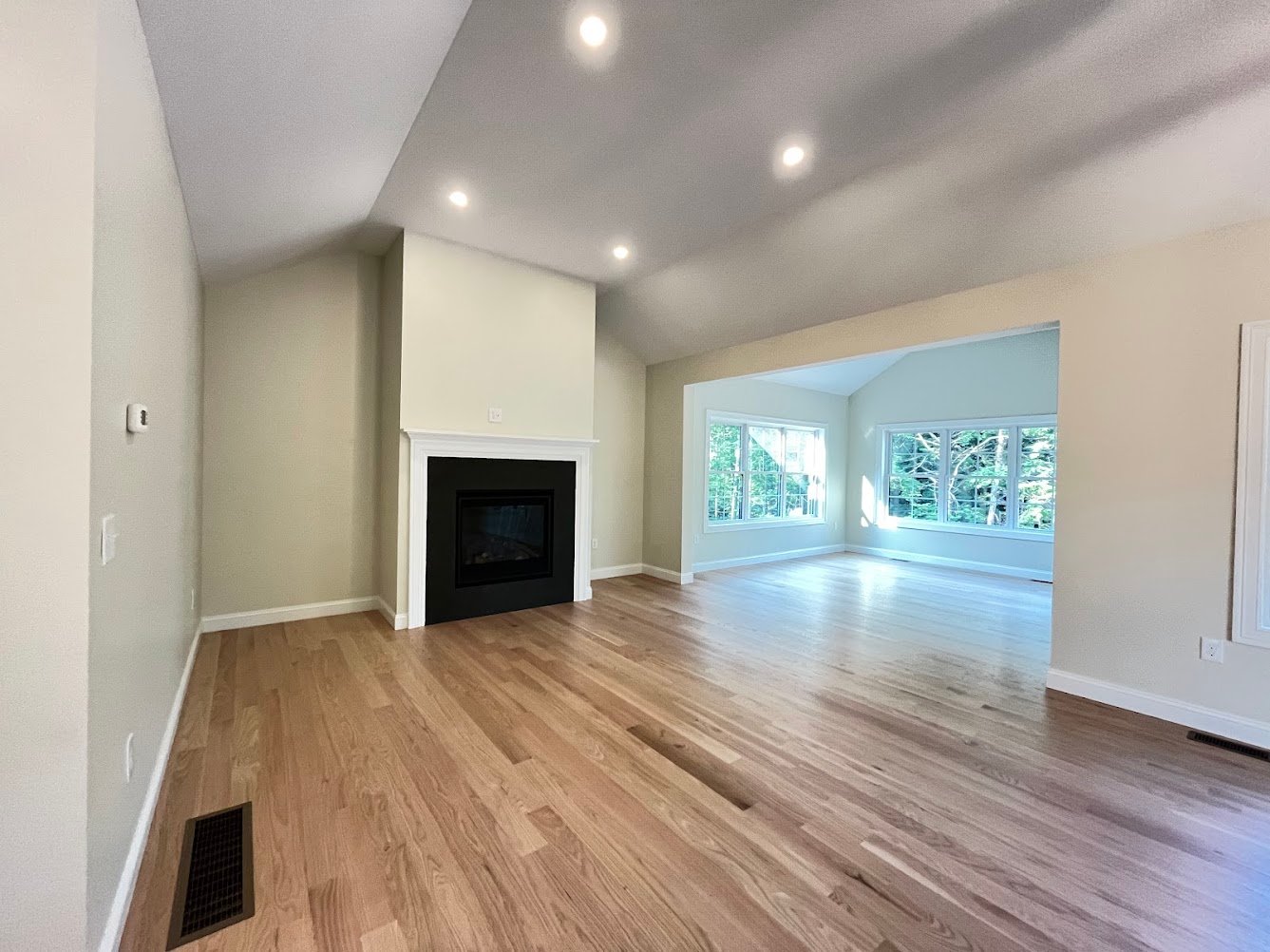
Walk through the house the way a buyer would, starting at the driveway. Look for simple jobs you can finish before photos and showings.
- Clear the entry and walkways. In winter, make a plan to keep them clear of snow and ice.
- Clean the kitchen and baths, open the blinds, and replace burned-out bulbs.
- Touch up scuffed walls, tighten loose cabinet handles, and fix doors that stick.
- Clear crowded counters and remove enough furniture to make each room easy to walk through.
If you have one weekend, start with cleaning, decluttering, and the front entrance. Those are jobs you can finish quickly and see in the listing photos.
3. Think twice before starting major upgrades
A dated kitchen that works well may need a deep clean and better lighting. Before replacing cabinets or countertops, look at what buyers paid for comparable homes with updated and dated kitchens. Consider the full project cost and how long it would delay your listing.
For example, suppose a kitchen update costs $20,000 and the comparable sales suggest it might add $15,000 to the sale price. On those assumptions, you’d be $5,000 behind before counting the extra time you carry the property. An estimate like that gives you a starting point for deciding whether to update or sell with the kitchen as it is.
What if I want to sell as-is?
You can prepare the home for showings and price it for its condition. For a larger issue, get enough information to compare your options. A written estimate can help you weigh the cost of doing the work up front against a lower offer or a possible request for a credit during negotiations.
Get a second opinion before you spend
Before you spend money getting your home ready, ask me what I’d fix first. Tell me your town, when you hope to sell, and which repairs you’re considering. We can talk through what to handle now, what to leave alone, and how each choice could affect your listing price and timing.
Request a pre-listing walkthrough with Michael Sargent at Sargent Family Properties LLC.